

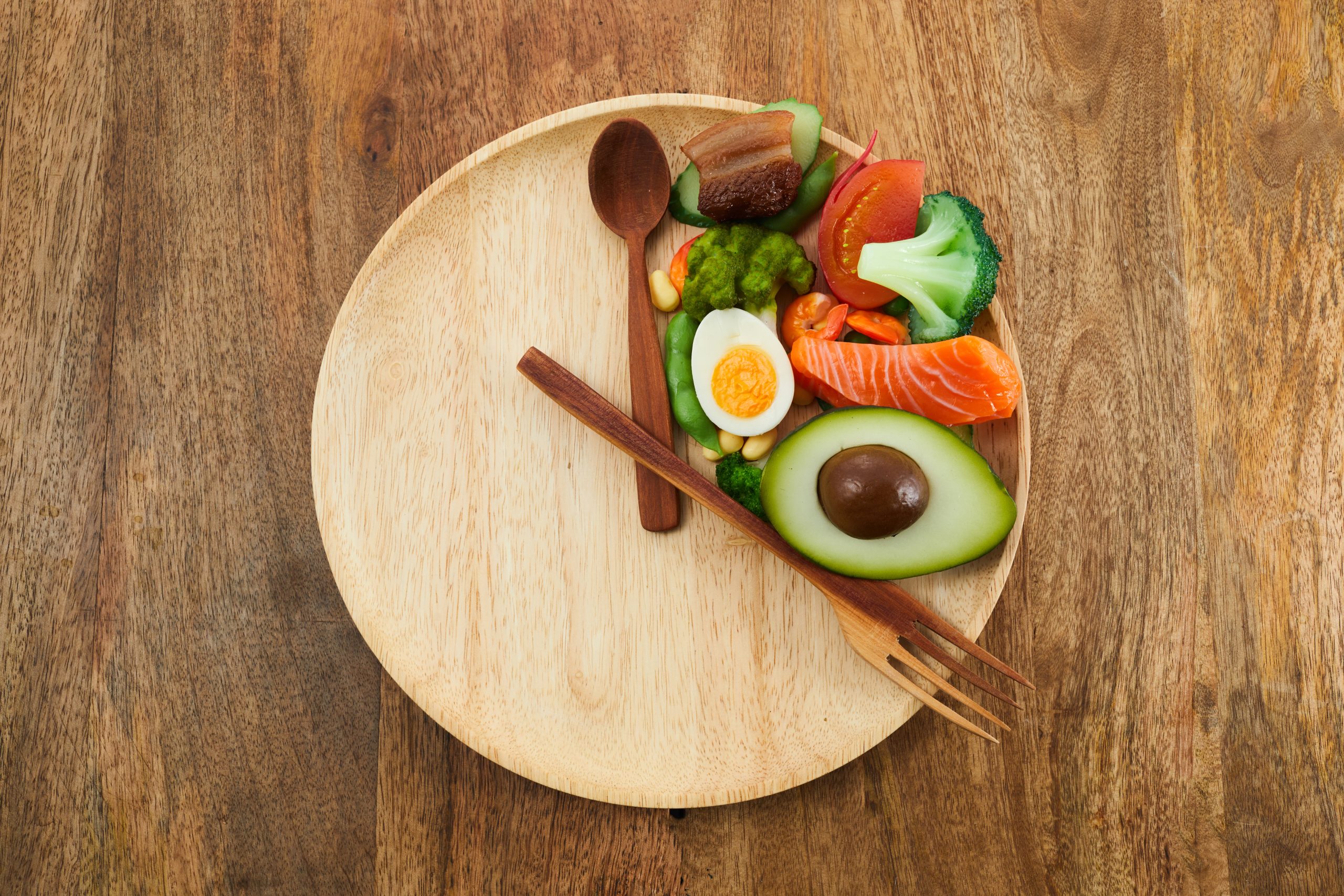



Insulin Resistance often goes unchecked until blood sugar abnormalities become obvious.
Dr. Ben Bikman and Dr. Ronda Patrick, FoundMyFitness
How diet, exercise, and sleep can help you reverse insulin resistance and protect long-term metabolic health.
This nearly three-hour masterclass with Dr. Ben Bikman, a scientist and professor at Brigham Young University, known for his research on metabolic health, particularly the role of elevated insulin in diseases like obesity, diabetes, and dementia, and Dr. Rhonda Patrick, a scientist with a Ph.D. in Biomedical Science known for her popular podcast and website, FoundMyFitness, where she shares evidence-based research on nutrition, aging, disease prevention, and optimizing health and performance, explores why insulin resistance sits at the center of many chronic diseases and how targeted changes in diet, movement, and sleep can dramatically improve metabolic health.
Overview
In this episode, Dr. Ben Bikman describes insulin resistance as a “common soil” underlying many chronic diseases, including type 2 diabetes, obesity, cardiovascular disease, fatty liver disease, Alzheimer’s disease, and infertility. He explains that modern medicine often focuses narrowly on glucose (a “glucocentric paradigm”), which misses early warning signs when insulin is high but glucose is still normal. The discussion explores how diet composition (refined carbohydrates, saturated fats, seed oils), chronic stress, inflammation, and ectopic fat all contribute to insulin resistance, and how lowering insulin through low-carbohydrate eating, resistance training, better sleep, and sometimes strategic fasting can improve insulin sensitivity within roughly 90 days.
Summary
- Insulin resistance can exist even when blood glucose is normal, because the body compensates with chronically high insulin; this “hidden” state is common and precedes type 2 diabetes.
- Modern care often measures only glucose, creating a glucocentric paradigm that overlooks hyperinsulinemia and delays diagnosis and treatment of metabolic dysfunction.
- Insulin resistance contributes to many conditions, including obesity, cardiovascular disease, Alzheimer’s disease, fatty liver disease, infertility, erectile dysfunction, and some cancers, making it a powerful “root cause” target.
- Fast causes of insulin resistance include stress hormones, inflammation, and persistently high insulin, while slower causes involve ectopic fat and specific lipids like ceramides, especially in fat tissue.
- Diet plays a central role: refined carbohydrates, excess calories, and certain saturated fats can drive ceramide production and insulin resistance, whereas lowering carbohydrate intake reduces liver fat production and circulating saturated fats.
- Insulin strongly regulates fat cells, acting as the “gatekeeper” of fat storage, so you cannot gain and retain fat without elevated insulin, even if calories are abundant.
- Low-carbohydrate or ketogenic diets, resistance training, and improving sleep can lower insulin, increase metabolic rate, promote fat burning and ketone production, and reverse insulin resistance over weeks to months.
- Continuous glucose monitors (CGMs) and physical signs like acanthosis nigricans and skin tags can help people detect early insulin resistance and adjust their lifestyle before overt diabetes appears.cular triglyceride yet remain highly insulin sensitive.
- A major section covers diet: refined carbohydrates and excess calories push the liver to make saturated fat (palmitate) and ceramides, promoting insulin resistance, while the combination of high refined carbs plus high saturated fat appears especially harmful in a high-calorie context. In contrast, when carbohydrate intake is low, people can often tolerate more saturated fat without worsening insulin resistance because insulin drops, metabolic rate rises modestly, and ketones help dissipate extra energy.
- The conversation also explores insulin’s role in fat storage, showing that both calories and insulin must be present for fat cells to grow and that high insulin without enough energy or calories without insulin does not reflect real-world physiology. Dr. Bikman uses examples from fat-cell culture and from people with type 1 diabetes (who can remain extremely lean by under-dosing insulin, at severe health cost) to illustrate insulin’s gatekeeping role for body fat.
- Lifestyle tools to reverse insulin resistance include lowering refined carbohydrate load, using time-restricted eating to reduce meal frequency, prioritizing resistance training over cardio for insulin sensitivity, and avoiding late-night eating that spikes glucose and disrupts sleep. The episode also touches on how one bad night of sleep can temporarily worsen insulin resistance, how air pollution and vaping may influence metabolic health, and why cold exposure and strength training may preferentially reduce visceral fat.
- The video critically examines GLP-1 agonists such as Ozempic: their potential benefits for weight loss, blood sugar, and possibly longevity, as well as concerns about overtreatment, muscle loss, mood effects, and whether doses are higher than necessary. Dr. Bikman emphasizes that medications should complement, not replace, foundational strategies like diet quality, movement, circadian-friendly eating, and sleep hygiene to genuinely improve metabolic health.
YouTube Description
Insulin resistance silently shapes the trajectory of nearly every major chronic disease, yet it’s often overlooked until blood sugar abnormalities become obvious. In this episode, Dr. Ben Bikman exposes the dietary culprits that drive metabolic dysfunction and highlights actionable, evidence-based tactics for improving metabolic health. Ben also addresses pressing questions about popular weight loss medications like Ozempic and other GLP-1 agonists: Are they groundbreaking solutions, or shortcuts with hidden metabolic consequences?
Get weekly breakdowns of cutting-edge studies with practical insights to improve your healthspan:
https://www.foundmyfitness.com/newsletter
CHAPTERS:
00:00:00 Introduction
00:01:33 Can you be insulin resistant with normal glucose levels?
00:05:13 Can glucose monitors detect hidden insulin resistance?
00:06:43 What your skin reveals about insulin resistance
00:08:07 Why is insulin resistance behind so many chronic diseases?
00:12:28 Does obesity cause insulin resistance or vice versa?
00:19:20 Insulin’s surprising roles beyond blood sugar control
00:20:18 What’s driving weight gain insulin or calories?
00:27:12 Do saturated fats cause insulin resistance?
00:33:44 Why refined carbs amplify risks from saturated fat
00:36:46 Fructose vs. refined sugar which spikes insulin more?
00:37:43 High-carb vs. keto which diet controls hunger better?
00:42:09 Why low-carb diets might provide a metabolic advantage
00:44:18 Does exercise give you metabolic ‘wiggle room’?
00:48:42 Why strength training beats cardio for insulin sensitivity
00:50:45 Should you lower insulin before cutting calories?
00:53:54 Does meal frequency drive insulin resistance?
00:57:14 Is nighttime snacking giving you insomnia?
00:59:06 Can a sugary breakfast lead to overeating later?
01:04:01 Does late-night eating disrupt sleep more than blue light?
01:05:41 Can one bad night’s sleep trigger insulin resistance?
01:09:31 Can air pollution cause weight gain?
01:13:23 Vaping vs. smoking which is worse for metabolic health?
01:14:45 Can statins and antidepressants trigger weight gain?
01:17:30 How to reverse insulin resistance in 90 days
01:24:07 Does apple cider vinegar really lower blood sugar?
01:28:01 Ketone supplements are the metabolic benefits real?
01:33:42 Why some ethnicities get diabetes without obesity
01:41:36 How oversized fat cells trigger metabolic chaos
01:46:36 Do seed oils silently promote insulin resistance?
01:49:52 Seed oils always harmful or only when heated?
01:55:43 Fat, muscle, or liver where does insulin resistance start?
02:01:29 Do fat cells shrink or disappear with weight loss?
02:04:13 Are shrunken fat cells still insulin resistant?
02:05:23 Can exercise and cold therapy specifically shrink visceral fat?
02:06:48 Injecting insulin for muscle are the risks worth it?
02:09:53 Are drugs like Ozempic a shortcut or solution for obesity?
02:16:20 Are current GLP-1 agonist doses too high?
02:17:10 Microdosing GLP-1 drugs a solution for carb cravings?
02:23:08 Do these medications cause muscle loss or is it poor nutrition?
02:25:38 Do GLP-1 agonist benefits extend beyond weight loss?
02:27:49 Could these treatments actually promote longevity?
02:33:20 The dark side of GLP-1 drugs can they trigger depression?
02:36:39 Insulin vs. glucose what really drives accelerated aging?
02:41:42 How high glucose levels damage cells from glycolysis to sorbitol
02:43:48 How insulin shuts down your body’s stress defenses
02:48:23 Which biomarkers best predict biological aging?
02:52:13 One simple breakfast change to lower insulin
02:54:27 Does eating dinner early improve insulin sensitivity?
Ben Bikman, PhD
X: https://x.com/benbikmanphd
Instagram: https://www.instagram.com/benbikmanphd
Website: https://www.benbikman.com
EPISODE LINKS
Show notes and transcript: https://www.foundmyfitness.com/episodes/ben-bikman
PODCAST INFO
Apple Podcasts: https://podcasts.apple.com/us/podcast/104-dr-ben-bikman-how-to-reverse-insulin-resistance/id818198322?i=1000717375694
Spotify: https://open.spotify.com/episode/2KUK7ZzKnhzz19tm8nKI1L?si=5y-UPFUjRzuHbHxa1tluqA
SUPPORT MY MISSION
Access 130 episodes of my premium podcast (The Aliquot) when you become a FoundMyFitness Premium Member:
https://www.foundmyfitness.com/crowdsponsor?utm_campaign=ben_bikman_podcast&utm_medium=podcast&utm_source=podcast_description
Transcript Summary
Insulin resistance as a hidden epidemic
Dr. Bikman argues that insulin resistance is a “common root cause” for many chronic diseases, but it often goes undetected because clinicians measure only glucose and not insulin. He explains that people can have normal fasting glucose yet be highly insulin resistant, with insulin levels two to four times higher than normal, which he calls a “cold war” inside the body that flies under the clinical radar.
Glucocentric medicine and missed diagnosis
The conversation criticizes the glucocentric paradigm in modern medicine, where clinicians focus on fasting glucose and A1c while ignoring insulin, which delays recognition of metabolic problems. Dr. Bikman stresses that if clinicians measured insulin routinely, they would detect insulin resistance earlier and change treatment strategies instead of simply increasing insulin therapy in type 2 diabetes.
Skin signs and CGMs as early warning tools
They discuss how continuous glucose monitors can help individuals see dynamic glucose responses to meals and detect impaired glucose clearance after carbohydrate-heavy foods. Dr. Bikman also describes physical signs like acanthosis nigricans and skin tags around the neck and armpits as strong evidence of insulin resistance, which often improve as insulin sensitivity returns.
Insulin resistance as a “common soil” for disease
Insulin resistance is framed as a shared soil from which multiple chronic diseases grow, including obesity, cardiovascular disease, Alzheimer’s disease, fatty liver disease, infertility, erectile dysfunction, and hypertension. Rather than treating each disease separately with different drugs, he suggests focusing on insulin resistance itself, which could simplify clinical care by “cutting down the tree” instead of trimming branches.
Fast and slow causes of insulin resistance
Dr. Bikman distinguishes fast insulin resistance, driven by acute stress hormones, inflammation, and high insulin itself, from slow insulin resistance that develops over years via ectopic fat and specific lipids like ceramides. He emphasizes that ceramides, not triglycerides, directly interfere with insulin signaling, and that both fast and slow stimuli tend to increase ceramide biosynthesis in tissues.
Insulin’s powerful role in fat storage
Insulin is described as the master regulator of fat cell behavior, telling fat cells when to store energy and when to release it, making it impossible to gain fat without elevated insulin. He illustrates this with cell culture experiments and human examples like “diabulimia” in type 1 diabetes, where people underdose insulin to stay thin at the cost of severe metabolic consequences.
Carbohydrates, saturated fat, and ceramides
The discussion covers how refined carbohydrates and excess calories influence liver fat production and ceramides, which then drive insulin resistance. Dr. Bikman notes that saturated fats like palmitate can cause insulin resistance in cell models via ceramides, but in humans, high saturated fat intake combined with low carbohydrates can reduce circulating saturated fats because the liver makes fewer through de novo lipogenesis.
Low-carb diets, ketones, and metabolic “wiggle room”
They highlight that lowering carbohydrates and insulin can raise metabolic rate by several hundred calories per day, increase fat burning, and lead to ketone production, which represents energy being excreted in breath and urine. This metabolic “wiggle room” allows people to eat more calories without storing them as fat, provided insulin stays low, making low-carb and ketogenic diets powerful tools against insulin resistance.
Exercise, sleep, and lifestyle interventions
Strength training is emphasized as particularly effective for improving insulin sensitivity by increasing muscle mass and glucose uptake, while aerobic exercise also contributes to better metabolic health. They also discuss how meal timing, late-night eating, and even a single bad night’s sleep can acutely worsen insulin sensitivity, reinforcing the importance of sleep hygiene and earlier dinners for reversing insulin resistance.
Medications, GLP-1 agonists, and trade-offs
Later in the conversation, they examine GLP-1 agonist drugs like Ozempic, questioning whether current doses are too high and exploring issues like muscle loss, mood effects, and long-term consequences. Dr. Bikman suggests that while these drugs can aid weight loss, they may act as shortcuts that fail to address the underlying diet, exercise, and sleep patterns driving insulin resistance.
Explore these additional videos…
- Weight Loss With Intermittent Fasting ? Dr. Jason Fung: https://veryhealthybody.com/how-to-lose-weight-the-scientific-way-intermittent-fasting-jason-fung
- Which Burns Fat Faster? Fasting or Ozempic? (Jason Fung interview): https://veryhealthybody.com/will-fasting-burn-fat-faster-than-ozempic
- Dr. Ben Bikman on Fat Storage and Ketones (separate Ben Bikman Q&A on VeryHealthyBody): https://veryhealthybody.com/the-truth-about-fat-storage-ketones
You might also enjoy these topics…
- MushPonies Horse Cakes With Coriolus Versicolor (immune-support nutrition for equines, featuring glucosamine, carotene, and medicinal mushrooms): https://veryhealthybody.com/MushPonies
- Weight Loss Archives – science-based strategies for fat loss, fasting, and metabolic health: https://veryhealthybody.com/topics/weight-loss


Pingback: How a Pinch of Sea Salt in Your Water Can Transform Hydration - VeryHealthyBody.com
Pingback: Can Vitamin D Reverse Glaucoma? - VeryHealthyBody.com
Pingback: The LDL Cholesterol Story is Falling Apart - VeryHealthyBody.com
Pingback: Why Does Potassium Work for Hypertension? - VeryHealthyBody.com
Pingback: A New Paradigm of Insulin Resistance - VeryHealthyBody.com
Pingback: 3 Unique Ways to Increase Nitric Oxide Production - VeryHealthyBody.com
Pingback: What We Are Getting WRONG About Metabolic Health and Weight - VeryHealthyBody.com
Pingback: Weight Loss Calories Insulin or a Third Alternative - VeryHealthyBody.com
Pingback: Why LDL Goes Up on a Low Carb Diet - VeryHealthyBody.com