

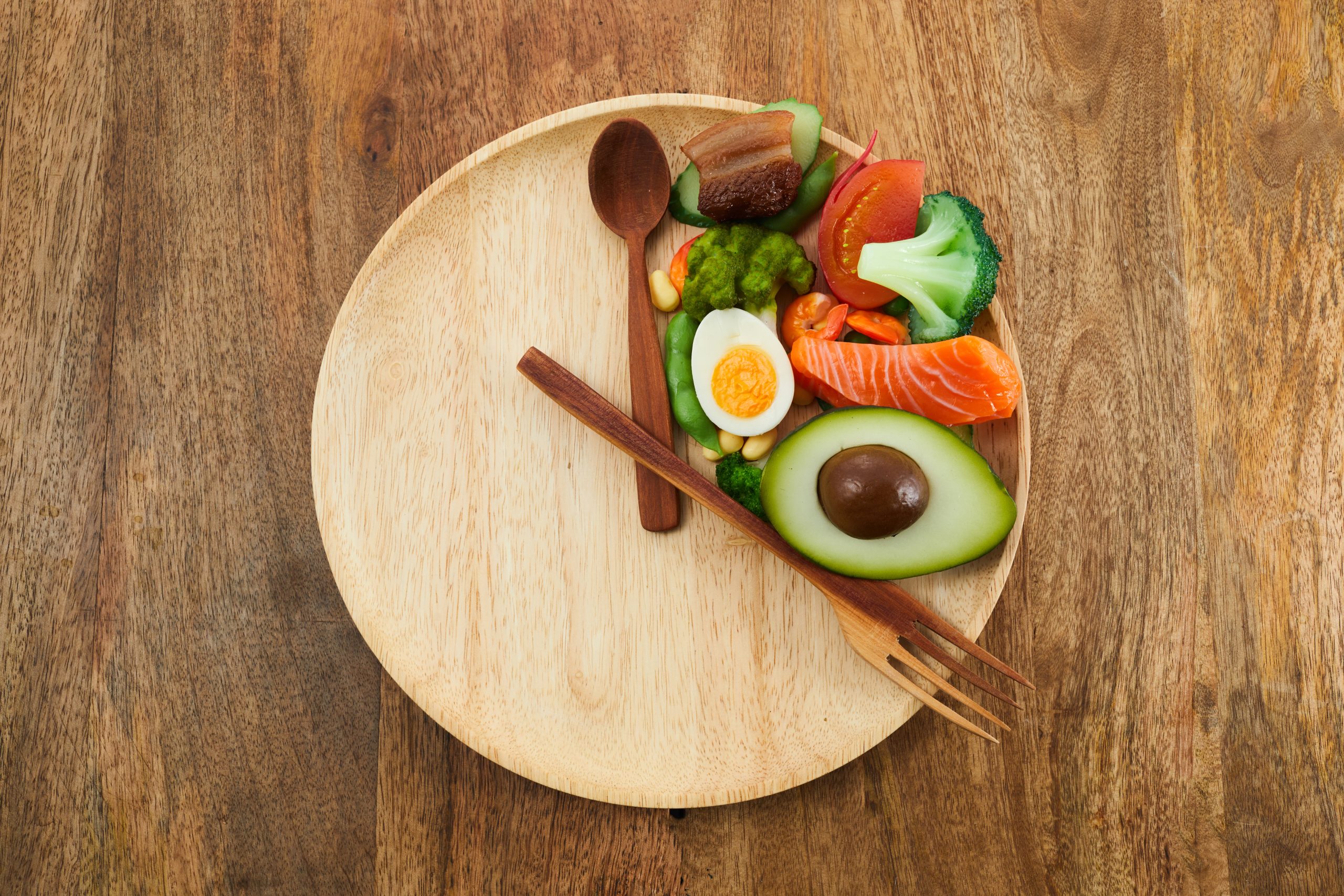



Discover the science behind Type 2 Diabetes and its remarkable reversibility
Jason Fung
Discover how Dr. Jason Fung explains the root causes of type 2 diabetes and outlines practical, science-based strategies like fasting and carbohydrate reduction that can help many people put this condition into remission and reduce medication needs.
Video synopsis
In this 45-minute presentation, nephrologist Dr. Jason Fung challenges the old belief that type 2 diabetes is a chronic, inevitably progressive disease and instead presents it as a largely reversible condition driven by excess insulin and excess glucose in the body. He walks through research on bariatric surgery, fasting, and low-carbohydrate diets showing that substantial weight loss and reduced insulin levels can normalize blood sugar and even restore pancreatic beta-cell function in many patients. Using clear analogies (like overfilled suitcases and crowded trains), he contrasts the traditional “insulin resistance from internal starvation” model with a more accurate “overflow” model in which organs are overloaded with glucose and fat, leading to metabolic syndrome, fatty liver, and fatty pancreas. He then explains why simply pushing blood sugar down with more insulin often worsens underlying disease, while approaches that lower insulin and total body glucose—such as intermittent fasting, carbohydrate restriction, and newer medications that help excrete glucose—address the root cause and improve long-term outcomes.
Summary
- Type 2 diabetes is now recognized as a potentially reversible disease, with remission defined by the American Diabetes Association and supported by long-term data.
- Bariatric surgery, intermittent fasting, and low-carbohydrate or very low-calorie diets can rapidly lower blood glucose, reduce medication use, and put diabetes into remission in a large proportion of patients by driving weight loss and lowering insulin.
- The conventional “insulin resistance from internal starvation” model fails to match clinical reality, whereas an “overflow” model—too much glucose and fat stored in cells—better explains metabolic syndrome, fatty liver, and abdominal obesity.
- Excess insulin (hyperinsulinemia) and chronic overnutrition push glucose into liver and fat cells, promote de novo lipogenesis, cause fatty liver and fatty pancreas, and drive high triglycerides, low HDL, hypertension, and central obesity.
- Treating only high blood glucose with insulin and similar drugs often leads to weight gain and worse long-term outcomes, as shown by large trials like ACCORD and ADVANCE, because they move glucose into the body instead of removing it.
- Newer treatments and lifestyle strategies that lower insulin and remove glucose from the body—such as SGLT2 inhibitors, GLP-1 agonists, fasting, and carb restriction—improve cardiovascular and kidney outcomes and align with the true disease mechanism.
- Very low-calorie diets can reduce liver and pancreatic fat, restore insulin sensitivity, and improve beta-cell function, demonstrating that so-called “pancreatic burnout” is often a reversible fat-clogging problem rather than permanent damage.
- The key to reversing type 2 diabetes is to treat hyperinsulinemia and total body glucose overload—through diet, fasting, and weight loss—rather than merely chasing blood sugar numbers with ever-increasing doses of medication.
YouTube description
Unlock the Power of Reversing Type 2 Diabetes! 🩸💪
Discover the science behind Type 2 Diabetes and its remarkable reversibility. Join us in this in-depth exploration of glucose tolerance tests compared to insulin levels and learn how fasting can be a game-changer in the battle against insulin resistance.🔍 Dive into the intricacies of glycolysis and understand the fascinating process of cholesterol transport within your body. We’ll unravel the mysteries of hyperinsulinemia and how it causes malfunction in blood sugar regulation.
But it doesn’t stop there – we’ll show you how to treat the root cause of this condition and prevent pancreatic burnout. Yes, it’s true, Type 2 Diabetes is reversible!
🕒 Don’t wait! Watch this video to take control of your health and embrace a brighter, diabetes-free future. 🌟
Join us as we unveil the path to reversing Type 2 Diabetes and regaining control over your health. Hit the like button 👍, subscribe for more informative content, and ring the notification bell 🔔 to stay informed!
👉Join my membership for perks:
https://www.youtube.com/channel/UCoyL4iGArWn5Hu0V_sAhK2w/join▬▬▬▬▬▬▬▬▬▬▬▬▬▬▬▬▬▬▬▬▬▬▬
▶️ Timestamps / Chapters
0:00 Intro
0:10 Type 2 Diabetes and Reversibility
1:47 Glucose tolerance test compared to the insulin
5:20 How Fasting helps people reverse type 2 Diabetes?
9:44 What is insulin resistance?
14:33 What is Gycolysis?
18:03 The process of cholesterol transport
19:03 A Process of Hyperinsulinemia
20:17 What causes Malfunction(mystery villain)
27:34 Treat the Root cause
31:20 What is pancreatic Burnout?
41:13 Key takeaways:(Type 2 Diabetis is Reversible)=============================
📌 BOOKS:
👉 The Obesity Code – Reviewing underlying physiology of weight loss and how low
carb diets and fasting can help. https://www.amazon.com/dp/1771641258?…
👉 The Diabetes Code – Reviewing how type 2 diabetes is a reversible disease and
dietary strategies. https://www.amazon.com/dp/B0795BLS8D?…
👉 The Cancer Code – Scientific exploration of how cancer develops –
https://www.amazon.com/dp/0062894005?…📌 Amazon:
👉 USA – https://www.amazon.com/shop/jasonfung
👉 Canada – https://www.amazon.ca/shop/jasonfung▬▬▬▬▬▬▬▬▬▬▬▬▬▬▬▬▬▬▬▬▬▬▬
📌 Please visit our :-
🔹 Website – https://www.doctorjasonfung.com
🔹 Blog- https://drjasonfung.medium.com
🔹 Community- https://www.thefastingmethod.com
🔹 Facebook – https://www.facebook.com/jason.fung.313
🔹 Instagram – https://www.instagram.com/drjasonfung/
🔹 Twitter – https://twitter.com/drjasonfung▬▬▬▬▬▬▬▬▬▬▬▬▬▬▬▬▬▬▬▬▬▬▬
📌 YouTube Medical Lectures (for specialist physicians):
▶️ The Roots of the Obesity Epidemic: https://www.youtube.com/watch?v=q8BGYhreaco&t=0s
▶️ Therapeutic Fasting – The Two Compartment Problem: https://www.youtube.com/watch?v=ETkwZIi3R7w&t=0s
▶️ Does Calorie Counting work?:
https://www.youtube.com/watch?v=5F5o0a4p_3U&t=0s
▶️ Two Big Lies of Type 2 Diabetes:
https://www.youtube.com/watch?v=FcLoaVNQ3rc&t=0s▬▬▬▬▬▬▬▬▬▬▬▬▬▬▬▬▬▬▬▬▬▬▬
If you liked the video, Please Do Subscribe My Channel 😉😍
Keep Supporting me So I can Continue to provide you with free content each
week!!😇▬▬▬▬▬▬▬▬▬▬▬▬▬▬▬▬▬▬▬▬▬▬▬
😍 😍 Thank you for Watching!#Type2Diabetes #DiabetesReversal #InsulinResistance #Fasting #HealthAndWellness #CholesterolTransport #RootCauseTreatment #PancreaticHealth #ReversingDiabetes #HealthJourney
Transcript Summary
Why type 2 diabetes is now considered reversible
Dr. Fung opens by describing the traditional model of type 2 diabetes, where “pancreatic burnout” from overworked beta cells supposedly makes the disease chronic and progressive, and he contrasts this with newer evidence that shows the condition can go into remission. He notes that the American Diabetes Association removed language calling type 2 diabetes “progressive” and has now published formal remission criteria, a major conceptual shift that aligns with clinical data showing reversal.
Evidence from bariatric surgery, fasting, and low-carb diets
He then reviews decades of clinical experience where bariatric surgery rapidly lowers blood glucose and allows patients to reduce or discontinue medications even before significant weight loss occurs, indicating a powerful metabolic reset. He highlights early 20th-century reports on fasting in diabetes and modern case series using intermittent fasting, as well as data from low-carbohydrate diet clinics such as Dr. David Unwin’s practice, where nearly half of motivated patients achieved drug-free remission and the vast majority of prediabetics normalized their A1c.
Rethinking insulin resistance: overflow, not starvation
Next, Dr. Fung challenges the classic “internal starvation” explanation of insulin resistance, in which cells supposedly lack glucose despite high blood sugar and respond with compensatory hyperinsulinemia. Using analogies like an overstuffed suitcase and an overcrowded train, he proposes an “overflow” model: cells already have too much glucose and energy, so incoming glucose backs up in the bloodstream, better matching the real-world picture of obesity, fatty liver, and metabolic syndrome.
How excess insulin and glucose drive metabolic syndrome
He walks through cellular metabolism to explain how chronic hyperinsulinemia pushes glucose into liver cells, where limited ATP capacity forces the liver to convert excess glucose into fat via de novo lipogenesis, creating fatty liver. The liver then exports this fat as VLDL, raising triglycerides, lowering HDL, and depositing fat in adipose tissue and organs, which in turn promotes abdominal obesity, hypertension through sodium retention, and the full cluster of metabolic syndrome features.
Why treating only blood sugar with insulin backfires
Dr. Fung contrasts the predictions of the “internal starvation” model with observed outcomes, pointing out that if the model were correct, patients would be thin without fatty liver and extra insulin would safely correct the problem, none of which is true. He reviews major trials like ACCORD and ADVANCE showing that aggressively lowering A1c with insulin and sulfonylureas did not reduce, and sometimes worsened, cardiovascular outcomes, because these therapies simply drove glucose from the blood into already overloaded tissues, causing weight gain and worsening underlying disease.
Targeting total body glucose: new drugs and lifestyle
He then describes a newer treatment paradigm focused on lowering insulin and eliminating glucose from the body rather than hiding it in tissues, highlighting SGLT2 inhibitors that promote glucose excretion in urine and GLP-1 agonists like semaglutide that reduce appetite, lower insulin, and drive weight loss. Despite modest A1c reductions, these agents show striking reductions in mortality, cardiovascular events, and kidney disease, illustrating that treating the “overflow” mechanism and hyperinsulinemia produces far better outcomes than simply normalizing blood sugar labs.
Twin cycles: liver and pancreas fat are reversible
Dr. Fung introduces the “twin cycle” hypothesis, in which chronic overnutrition and hyperinsulinemia lead to fatty liver and then fatty pancreas, impairing insulin secretion and raising blood sugar, creating two reinforcing cycles of ectopic fat deposition. He discusses Dr. Roy Taylor’s Counterpoint study, where an 800-calorie diet reduced liver fat quickly and pancreatic fat more slowly, restoring insulin sensitivity and beta-cell function and proving that much of the apparent pancreatic “burnout” is actually reversible fat clogging.
Treating the root cause: hyperinsulinemia, not just hyperglycemia
In closing, he emphasizes that high blood glucose is a symptom of deeper metabolic dysfunction—specifically hyperinsulinemia and energy overload—similar to how fever is a symptom of infection. Effective treatment must therefore focus on reducing insulin levels and total body glucose through dietary change, intermittent fasting, weight loss, and appropriate medications, which can lead to genuine disease reversal rather than the illusion of control achieved by pushing sugar into an already overfilled system.
Explore these additional related videos…
- https://veryhealthybody.com/how-diet-exercise-and-sleep-can-help-you-reverse-insulin-resistance
- https://veryhealthybody.com/which-burns-fat-faster-fasting-or-ozempic
You might also enjoy these topics…
- https://veryhealthybody.com/mind-diet-delays-or-prevents-dementia
- https://veryhealthybody.com/sea-salt-for-better-hydration
- https://veryhealthybody.com/vitamin-d-and-glaucoma-eye-health
- https://veryhealthybody.com/cardiovascular-health-nitric-oxide-support
- https://veryhealthybody.com/coriolus-versicolor-immune-support-for-pets-and-people
- https://veryhealthybody.com/light-technology-for-anti-aging-and-pain-relief
- https://veryhealthybody.com/stem-cell-activity-and-copper-peptides-x39
- https://veryhealthybody.com/metabolic-health-low-hdl-and-coronary-calcium


Pingback: How to Reverse Insulin Resistance Through Diet Exercise and Sleep - VeryHealthyBody.com