

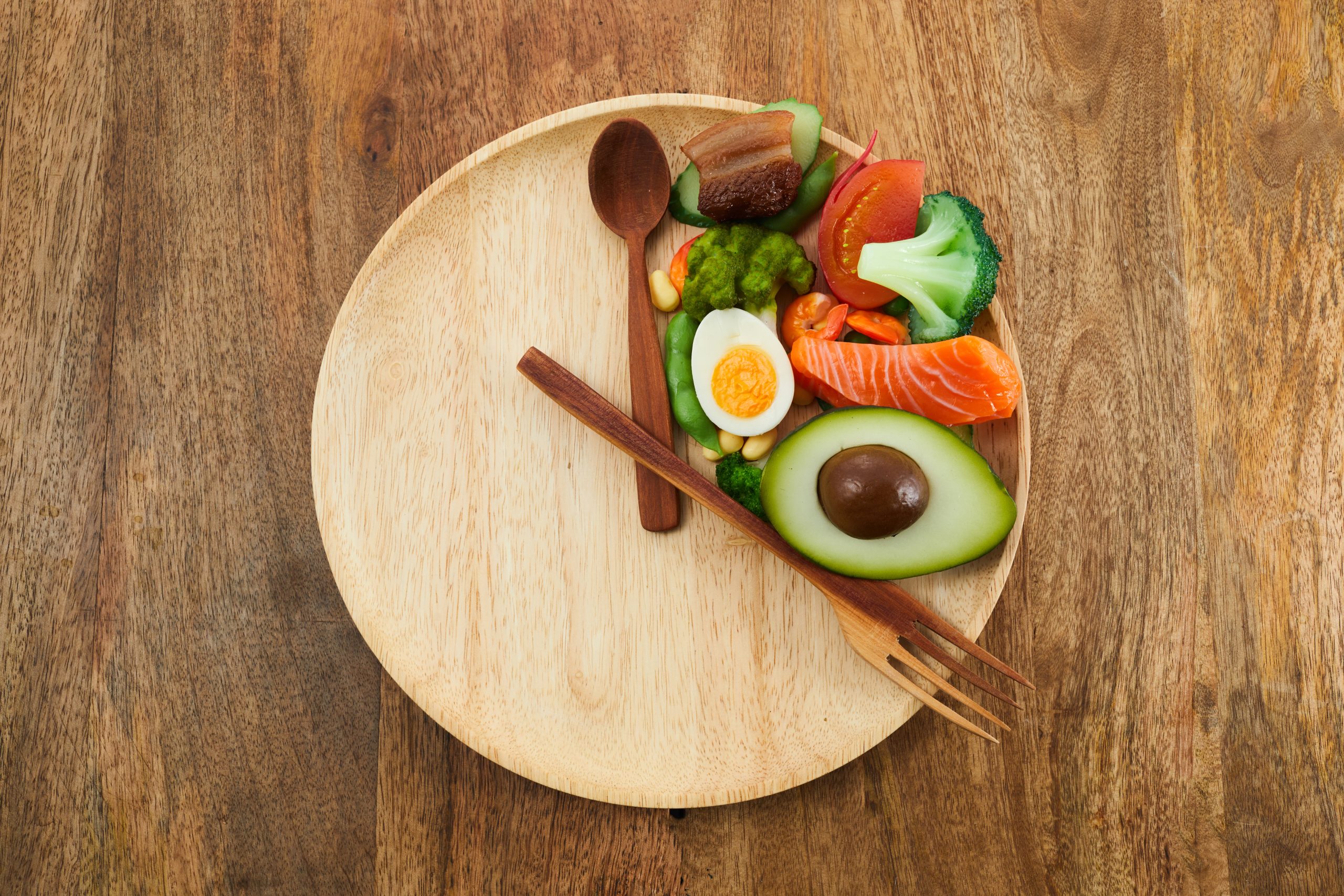



Dive deep into the fascinating world of Intermittent Fasting, where we explore the Hormonal Model and the Carbohydrate Insulin Model, revealing the secrets behind this popular health trend
Jason Fung
Discover how Dr. Jason Fung uses the science of hormones and intermittent fasting to make weight loss more effective and sustainable than traditional calorie-counting diets.
Synopsis
In this video, nephrologist and author Dr. Jason Fung explains why the conventional “eat less and move more” approach to weight loss often fails, and why focusing solely on calories ignores how powerful hormones like insulin are in controlling fat storage, hunger, and metabolic rate. He contrasts the traditional calorie model with the carbohydrate–insulin and hormonal models of obesity, showing that the body adapts to calorie restriction by lowering metabolism and increasing hunger, which sabotages long-term results. Using classic studies (such as the Minnesota Starvation Experiment and “The Biggest Loser” follow-up) and newer research on exercise, fasting, and time-restricted eating, he demonstrates that intermittent fasting can lower insulin, unlock stored body fat for fuel, and preserve metabolic rate more effectively than standard low-fat, frequent-meal dieting. He also reviews recent time-restricted eating trials, clarifies how to interpret them, and emphasizes treating root causes like excess eating opportunities and chronically elevated insulin instead of blaming willpower or “bad” metabolism.
Summary
- The video contrasts the traditional calorie model of obesity with a hormonal and carbohydrate–insulin model, arguing that food is not just “energy” but also information that triggers different hormonal responses and fat-storage signals.
- Dr. Fung shows that simple calorie restriction (“eat less”) often fails because the body responds by lowering resting metabolic rate, as documented in the Minnesota Starvation Experiment, 1970s underfeeding studies, and “The Biggest Loser” trial.
- Exercise alone is a weak weight-loss strategy because it tends to increase hunger and is constrained by the body adjusting total energy expenditure, so mild exercise can leave people in a positive energy balance similar to sedentary activities.
- Insulin is highlighted as the key storage hormone that blocks fat burning when elevated, so frequent eating of high-carbohydrate, low-fat foods and constant snacking keeps insulin high, locks fat in storage, and drives persistent hunger.
- Intermittent fasting and time-restricted eating lower insulin, allow counter-regulatory hormones (like norepinephrine and growth hormone) to rise, and open “access” to stored fat, enabling a caloric deficit without crashing metabolic rate.
- Recent time-restricted eating trials that appeared “negative” are explained as statistically underpowered and poorly structured, since they only modestly extended fasting windows yet expected disproportionately large extra weight loss.
- Dr. Fung argues that sustainable weight loss requires addressing root causes such as excessive eating opportunities, high-insulin diets, and hormonal drivers of hunger and metabolism, rather than focusing narrowly on calorie math or willpower.
- He concludes that combining intermittent fasting with attention to food quality (e.g., lower carbohydrate intake) offers a practical and physiologically sound strategy to lose weight, improve metabolic health, and maintain results.
Video description
⏰ Cracking the Code: The Science of Intermittent Fasting 🍽️
Dive deep into the fascinating world of Intermittent Fasting, where we explore the Hormonal Model and the Carbohydrate Insulin Model, revealing the secrets behind this popular health trend. Discover the intricate relationship between calories in and calories out, and what the “Biggest Loser” study teaches us about long-term weight management.🔬 Uncover the science of Feeding and Fasting and why it’s not just about counting calories. Hormones vs. Calories – which matters more in your health journey? We break it down.
🌟 Explore the ultimate and proximate causes of how Intermittent Fasting impacts our bodies at the cellular level, and why it’s not just about dieting.🍴 Learn how fasting affects hunger, metabolic rate, and even how doctors are embracing these principles to lose weight and improve health. Plus, we’ll delve into the concept of Time Restricted Eating and its benefits.
Join us as we unravel the science of intermittent fasting, its impact on hormones, metabolism, and overall well-being. Hit the like button 👍, subscribe for more enlightening content, and ring the notification bell 🔔 to stay informed!
👉 Join my membership for perks:
https://www.youtube.com/channel/UCoyL4iGArWn5Hu0V_sAhK2w/join▬▬▬▬▬▬▬▬▬▬▬▬▬▬▬▬▬▬▬▬▬▬▬
▶️ Timestamps / Chapters
0:00 Outro
2:22 Hormonal Model
3:13 Carbohydrate insulin model
9:12 What’s the relationship between calories and calories out?
14:42 The Biggest Loser study
16:46 Feeding and fasting
21:29 Hormones vs Calories
26:05 Ultimate vs proximate causes
27:27 Cell metabolism
35:17 How does fasting affect hunger?
37:17 Metabolic rate
40:02 How do doctors lose weight?
42:41 Time Restricted Eating
48:51 Outro=============================
📌 BOOKS:
👉 The Obesity Code – Reviewing underlying physiology of weight loss and how low carb diets and fasting can help.
https://www.amazon.com/dp/1771641258?👉 The Diabetes Code – Reviewing how type 2 diabetes is a reversible disease and dietary strategies.
https://www.amazon.com/dp/B0795BLS8D?👉 The Cancer Code – Scientific exploration of how cancer develops.
https://www.amazon.com/dp/0062894005?📌 Amazon:
👉 USA – https://www.amazon.com/shop/jasonfung
👉 Canada – https://www.amazon.ca/shop/jasonfung▬▬▬▬▬▬▬▬▬▬▬▬▬▬▬▬▬▬▬▬▬▬▬
📌 Please visit:
🔹 Website – https://www.doctorjasonfung.com
🔹 Blog – https://drjasonfung.medium.com
🔹 Community – https://www.thefastingmethod.com
🔹 Facebook – https://www.facebook.com/jason.fung.313
🔹 Instagram – https://www.instagram.com/drjasonfung/
🔹 Twitter – https://twitter.com/drjasonfung▬▬▬▬▬▬▬▬▬▬▬▬▬▬▬▬▬▬▬▬▬▬▬
📌 YouTube Medical Lectures (for specialist physicians):
▶️ The Roots of the Obesity Epidemic:
https://www.youtube.com/watch?v=q8BGYhreaco&t=0s▶️ Therapeutic Fasting – The Two Compartment Problem:
https://www.youtube.com/watch?v=ETkwZIi3R7w&t=0s▶️ Does Calorie Counting Work?:
https://www.youtube.com/watch?v=5F5o0a4p_3U&t=0s▶️ Two Big Lies of Type 2 Diabetes:
https://www.youtube.com/watch?v=FcLoaVNQ3rc&t=0s▬▬▬▬▬▬▬▬▬▬▬▬▬▬▬▬▬▬▬▬▬▬▬
If you liked the video, Please Do Subscribe My Channel 😉😍
Keep Supporting me so I can continue to provide you with free content each week!! 😇
▬▬▬▬▬▬▬▬▬▬▬▬▬▬▬▬▬▬▬▬▬▬▬
😍 😍 Thank you for Watching!
Science of Intermittent Fasting | Intermittent Fasting | Jason Fung#ScienceOfIntermittentFasting #IntermittentFasting #IntermittentFastingbenefits #Fasting #JasonFung #weightlossdiet
Transcript Summary
Why calorie cutting often fails
Dr. Fung opens by contrasting the classic “calories in, calories out” model with a more nuanced hormonal model of weight gain. He explains that while food does contain energy measured as calories, different foods provoke very different hormonal responses, especially in terms of insulin, which strongly influences whether energy is stored as fat or burned. He notes that guidelines still largely emphasize eating less and moving more, assuming metabolic rate and hormonal responses stay constant and fully under conscious control, which he argues is physiologically inaccurate.
The hormonal and carbohydrate–insulin models
He introduces the hormonal model and the carbohydrate–insulin model, highlighting that insulin is a storage hormone that increases glycogen and fat synthesis while blocking the breakdown of stored glycogen and fat. When high-insulin foods like refined carbohydrates are consumed frequently, the body is pushed toward storing energy rather than burning it, which promotes fat gain even when total calories are not excessive. He emphasizes that focusing on calories without considering insulin and other hormones ignores how the body actually regulates fat storage, hunger, and energy expenditure.
Energy balance and metabolic adaptation
Dr. Fung revisits the energy balance equation and stresses that a “calorie deficit” as popularly described never really exists because the body can respond to lower intake by reducing calories burned. He uses historical studies such as Ancel Keys’ 1944 Minnesota Starvation Experiment and later underfeeding trials to show that when calories were cut by around 40 percent, resting metabolic rate also fell by roughly 10–40 percent, leading participants to feel cold, tired, and hungry while weight loss stalled. He shows that meta-analyses of caloric restriction consistently demonstrate a universal drop in energy expenditure as a response to energy restriction, which explains why “just eat less” often fails in real life.
Lessons from The Biggest Loser and exercise research
The “Biggest Loser” study is presented as a modern example where contestants on calorie-restricted diets with intense exercise saw dramatic drops in metabolic rate that persisted over time. He explains that increases in exercise did not prevent metabolic slowdown and that people who exercised more sometimes experienced greater reductions in resting metabolism. Dr. Fung then reviews research showing that exercise often increases hunger, with mild exercise sessions leaving people in a net positive energy balance similar to watching TV, and that total daily energy expenditure is constrained so that high activity levels are offset by reductions in other energy-consuming processes.
Feeding, fasting, and insulin’s gatekeeping role
He describes feeding as a state where insulin rises, signaling the body to store incoming energy as glycogen and fat while blocking access to stored energy. In contrast, fasting allows insulin levels to fall, enabling the breakdown of glycogen and fat (via glycogenolysis and lipolysis), and triggering counter-regulatory hormones like norepinephrine, growth hormone, and cortisol that help maintain metabolic rate and mobilize energy. He emphasizes that you cannot effectively burn stored fat when insulin is high and that chronically elevated insulin from frequent high-carbohydrate, low-fat meals and constant snacking effectively locks fat away, forcing people to feel hungry and eat again to meet energy needs.
Why intermittent fasting works differently than simple dieting
Dr. Fung compares two scenarios: in a standard low-calorie, high-insulin diet, reducing intake from 2,000 to 1,500 calories while keeping insulin high forces the body to lower metabolic rate to stay in balance, rather than drawing on fat stores. In an intermittent fasting scenario with the same average intake but lower insulin, the body can access stored fat to make up the 500-calorie gap, preserving metabolic rate while allowing fat loss. He cites a study in type 2 diabetics where insulin doses were increased and calories were reduced, yet patients still gained about 20 pounds, illustrating that high insulin can drive weight gain even in the face of caloric restriction.
Interpreting time-restricted eating trials
He discusses a New England Journal of Medicine study that compared calorie restriction with and without time-restricted eating and found no statistically significant difference in weight loss at one year, which the media interpreted as evidence that fasting offers no benefits. He argues the study was underpowered and expected an unrealistically large added weight-loss effect from only a small increase in fasting time (from about 13.8 to 16 hours), which is unlikely to produce a 40 percent greater weight loss. He notes that the between-group difference in weight did grow over time and that other research in Cell Metabolism showed that simply limiting the eating window (e.g., 4–6 hour windows) naturally led people to consume about 500 fewer calories per day without explicit calorie counting.
Root causes, eating opportunities, and behavior
Dr. Fung emphasizes distinguishing between proximate causes (e.g., excess calorie intake) and ultimate causes (e.g., emotional eating, too many eating opportunities, high-sugar diets). He argues that successful clinical weight loss requires addressing these root causes, such as limiting eating windows to reduce opportunities for snacking, rather than just instructing people to “eat less.” He compares this to telling a depressed person to “just cheer up,” noting that without resolving underlying drivers, such advice is ineffective and often leads to frustration and blame.
Hunger, metabolic rate, and hormonal drivers
The talk then dives deeper into how hormones govern hunger and energy expenditure, with ghrelin driving hunger and GLP‑1 promoting satiety. He highlights that people cannot simply decide to be less hungry or arbitrarily raise their metabolic rate, because these are hormonally controlled processes that respond to diet, fasting, and medications. He shows that insulin, GLP‑1 agonists, and nicotine all influence body weight through hormonal pathways that change appetite and metabolic rate rather than through direct calorie manipulation alone.
Practical implications for weight loss
Dr. Fung concludes that focusing exclusively on calories in and calories out is a superficial understanding of obesity, while a deeper approach centers on hormones, feeding–fasting cycles, and eating patterns. Intermittent fasting is presented as a powerful tool because it simultaneously lowers insulin, improves access to stored fat, and can reduce total calorie intake by restricting eating windows, all while better preserving metabolic rate than constant calorie restriction. He stresses that combining fasting with attention to food quality (especially lowering refined carbohydrates) and treating the underlying drivers of overeating gives patients a more realistic and physiologically aligned path to lasting weight loss and metabolic health.


Pingback: How to Reverse Insulin Resistance Through Diet Exercise and Sleep - VeryHealthyBody.com
Pingback: Fix The Oral Microbiome: #1 Oral Care Routine - VeryHealthyBody.com