




Step by Step Weight Loss Plan
Jason Fung
Discover a simple five-step, science-based weight loss strategy that focuses on cutting sugars, choosing unprocessed foods, and using intermittent fasting to unlock your body’s natural fat-burning system.
Video synopsis
In this video, nephrologist and author Dr. Jason Fung walks viewers through a practical five-step plan for sustainable weight loss based on the hormonal science he explains in his book “The Obesity Code.” He first distinguishes added sugars and refined grains from naturally occurring carbohydrates and explains how both drive blood glucose and insulin spikes that promote fat storage and overeating. Fung then emphasizes eating adequate protein and not fearing natural fats such as nuts, olive oil, and full‑fat dairy, because they increase satiety and make it easier to eat less overall. He urges people to choose real, unprocessed foods that resemble how they appear in nature and to avoid packaged items that have had their natural satiety signals stripped away. Finally, he explains why balancing periods of eating with extended periods of not eating (intermittent fasting) is essential so the body has time to access stored fat for energy instead of constantly storing new calories.
Summary
- Dr. Jason Fung presents a five-step weight loss solution from his book “The Obesity Code,” emphasizing that obesity is a multifactorial hormonal problem rather than just a calorie issue.
- Step 1 is to reduce added sugars by cutting obvious sweets, sugary breakfast foods, sweetened sauces, and sugar-sweetened beverages, while also limiting artificial sweeteners that can maintain cravings and may not aid weight loss.
- Step 2 is to reduce refined grains (white flour, white rice, white potatoes and foods made from them) because they are highly processed, rapidly absorbed carbohydrates that spike blood glucose and insulin and are easy to overeat.
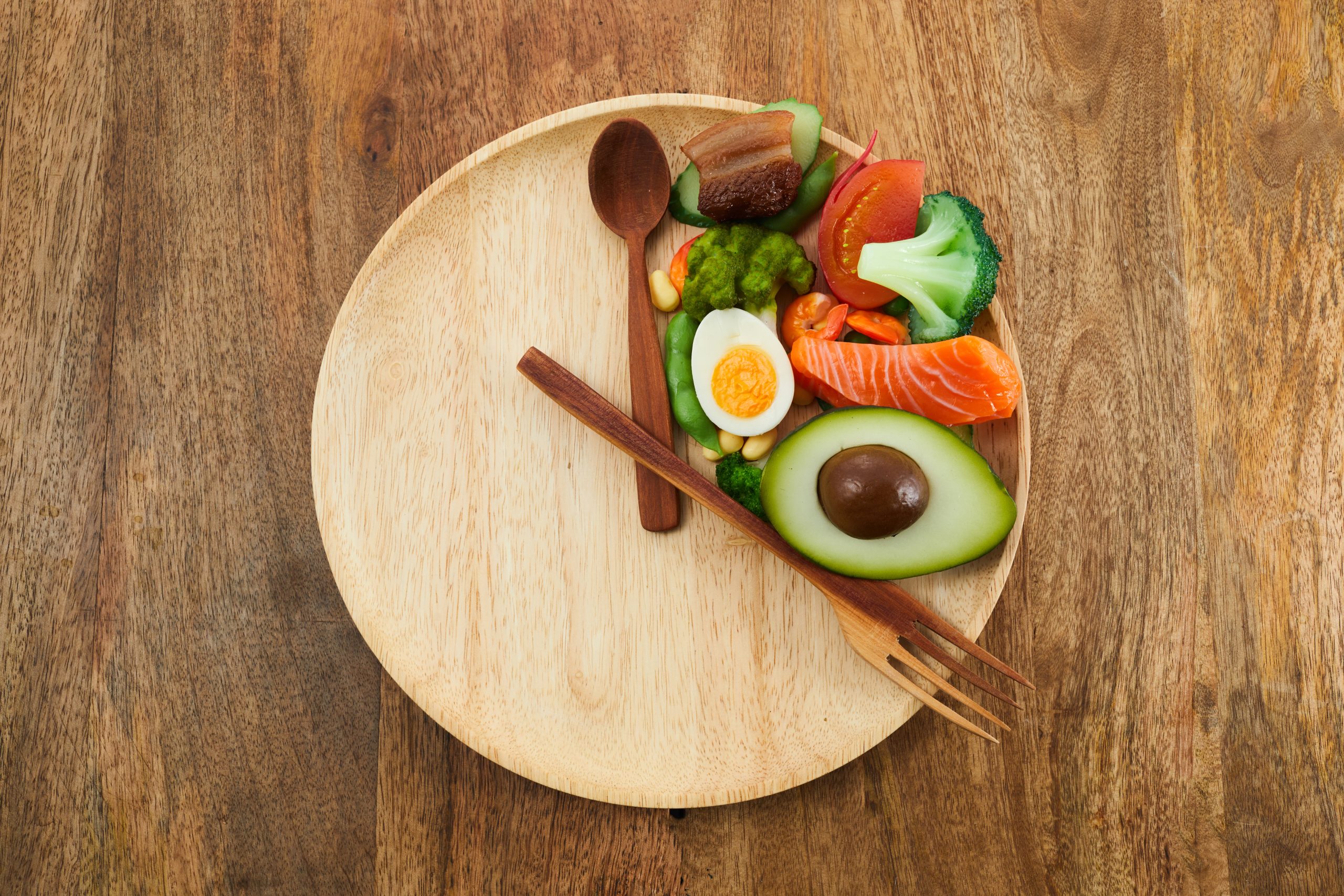
- Step 3 is to eat moderate protein and not fear natural fats, since adequate protein and healthy fats from foods like eggs, nuts, avocados, full‑fat dairy, and fatty fish help maintain health and increase satiety.
- Step 4 is to prioritize natural, unprocessed foods such as meat, seafood, vegetables, and nuts, and to avoid boxed and packaged foods that remove natural fiber and other components that tell us when to stop eating.
- Step 5 is to balance feeding and fasting by not eating constantly, allowing longer fasting windows (for example, 14–24 hours) so the body can switch from storing calories as fat to burning stored fat for fuel.
- Fung explains that frequent eating keeps insulin elevated and locks energy into fat stores, whereas structured intermittent fasting periods let the body draw down those stores and support weight loss.
- He directs viewers who want to go deeper into fasting and metabolic health to his blog, books, fasting community, and other educational videos on his channel.
Video Description
The weight loss solution from Dr. Jason Fung’s book The Obesity Code in 5 easy steps. The first step is the reduce added sugars. Be careful of hidden sugars in processed foods and sauces. The second step is to reduce refined carbohydrates. These processed foods are easy to overeat. The third step is to eat moderate protein and don’t fear dietary fat. The fourth step is to eat natural, unprocessed foods. These contain natural satiety signals that tell us when to stop eating. The fifth step in this weight loss solution is the do intermittent fasting. Check out my blog at https://medium.com/@drjasonfung
More Information:
BOOKS:The Obesity Code – Reviewing underlying physiology of weight loss and how low carb diets and fasting can help. https://www.amazon.com/dp/1771641258?ref=exp_jasonfung_dp_vv_d
The Diabetes Code – Reviewing how type 2 diabetes is a reversible disease and dietary strategies. https://www.amazon.com/dp/B0795BLS8D?ref=exp_jasonfung_dp_vv_d
The Cancer Code – Scientific exploration of how cancer develops – https://www.amazon.com/dp/0062894005?ref=exp_jasonfung_dp_vv_d
Amazon:
USA – https://www.amazon.com/shop/jasonfung
Canada – https://www.amazon.ca/shop/jasonfungFasting Aids
Pique Fasting Tea (recommended)
https://www.piquetea.com/drjasonfungFasting Community and Coaching:
https://www.thefastingmethod.com/YouTube Medical Lectures (for specialist physicians):
- The Roots of the Obesity Epidemic – https://youtu.be/q8BGYhreaco
- Therapeutic Fasting – The Two Compartment Problem: https://youtu.be/ETkwZIi3R7w
- Does Calorie Counting work? https://youtu.be/5F5o0a4p_3U
- Two Big Lies of Type 2 Diabetes – https://youtu.be/FcLoaVNQ3rc
- Reversing Type 2 Diabetes Naturally – https://youtu.be/mAwgdX5VxGc
- Insulin Toxicity – https://youtu.be/4oZ4UqtbB_g
- Saturated Fat – Friend or Foe? https://youtu.be/QetsIU-3k7Y
- Diet and Disease – https://youtu.be/2yoOx_7MLn0
- Dangers of Fructose – https://youtu.be/pG89j432w-Y
- Insulin Resistance – https://youtu.be/dimP7IdM2Og
- Role of Hormones in Weight Loss – https://youtu.be/ZbnshVO4PRM
- The Obesity Code Lecture 1 – https://youtu.be/YpllomiDMX0
Join this channel to get access to perks:
https://www.youtube.com/channel/UCoyL4iGArWn5Hu0V_sAhK2w/join#jasonfung #drjasonfung #fasting #fastingbenefits #weightlosstips #intermittentfasting #drfung #fung #calories #weightlosstips #caloriesincaloriesout #weightloss #nutrition #diet #health #weightlosssolution
Timestamps:
0:00 Introduction
0:20 5 Step Weight Loss Solution
0:51 Step 1 Reduce Added Sugars
5:22 Step 2 Reduce Refined Grains
6:56 Step 3 Moderate Protein, Don’t Fear Natural Fat
9:35 Step 4 Eat Natural Unprocessed Foods
10:49 Step 5 Intermittent Fasting
Transcript Summary
Why a five-step approach to weight loss
Dr. Jason Fung opens by explaining that his five-step weight loss solution is drawn from his book “The Obesity Code” and is necessary because obesity is a multifactorial disease influenced by many variables, similar to heart disease. Just as smoking, exercise, age, and sex all influence heart disease risk, multiple dietary and lifestyle factors contribute to weight gain, so a single tactic is unlikely to work on its own. This sets up the need to address sugar, refined carbohydrates, protein, fat, food processing, and meal timing together in a coherent strategy.
Step 1: Reduce added sugars
Fung defines added sugars as distinct from natural sugars in whole foods, because manufacturers can keep increasing sweetness in processed products and often hide sugar under many different names on labels. He lists sucrose, glucose, fructose, invert sugar, hydrolyzed starch, corn sweetener, and high fructose corn syrup as common synonyms that obscure total sugar intake. He recommends avoiding obvious sweets like candy, chocolate, cakes, pies, donuts, jams, jellies, and some peanut butters, as well as sugar-heavy sauces such as spaghetti sauce, ketchup, barbecue, and sweet and sour sauces that people may not recognize as significant sugar sources.
Hidden sugars in breakfast and drinks
Breakfast is often problematic because busy people grab highly refined, processed foods that are loaded with added sugar, such as sugary cereals, muffins, danishes, fruit-flavored yogurts, instant flavored oatmeal, granola bars, and fruit juices. As alternatives, he suggests lower sugar, more traditional choices like steel-cut oats or eggs, or even skipping breakfast altogether if that feels appropriate. He highlights drinks as another major danger zone and advises stopping “drinking your sugar” by cutting juices, sodas, sweetened iced teas and coffees, smoothies, shakes, and sugary mixed alcoholic drinks, instead choosing water, unsweetened tea, and coffee without added sugar.
Concerns about artificial sweeteners
Fung then addresses noncaloric sweeteners, noting that while it seems logical to replace sugar with zero-calorie substitutes, clinical experience shows they have not reversed the obesity epidemic. If they truly worked, simply swapping all sugar for artificial sweeteners should have eliminated widespread obesity by dramatically reducing caloric intake, but that has not happened. He suggests these sweeteners may perpetuate cravings for sweetness, potentially increase insulin levels, and stimulate appetite, so he concludes that artificial sweeteners are not much better than regular sugar and recommends cutting them out entirely when possible.
Step 2: Reduce refined grains
In step two, Fung focuses on refined grains such as white flour, white potatoes, and white rice, pointing out that making flour removes much of the protein, fat, and bulk from whole grains. This processing leaves a very purified carbohydrate that is ground into a fine powder, which speeds absorption, causing a rapid rise in blood glucose and a quick insulin spike. He notes that foods made from white flour—cakes, cookies, muffins, donuts, breads—and similar refined products are easy to overeat and can be quite addictive, making them important targets to reduce for weight loss.
Step 3: Moderate protein and embrace natural fats
For step three, Fung advises eating moderate protein, emphasizing that the body needs specific amino acids for health and cannot function well without adequate protein intake. Protein also enhances satiety, which is why a breakfast of eggs and bacon will keep someone full longer than toast and jam, even if the calorie counts are similar. He stresses that it is difficult to overeat protein alone and warns against fearing natural fats, explaining that decades of advice to avoid dietary fat for heart health were likely overstated and have been revised as evidence shows many natural fats are beneficial.
Healthy fats and satiety
By the 2010s, science had rehabilitated many natural fats, and the concept of “healthy fats” returned, including nuts, avocados, olive oil, and fatty fish. Fung explains that these foods, along with full-fat dairy, can help people feel full and satisfied so they are not hungry again 20 minutes after eating, which indirectly supports weight loss by reducing the urge to snack and overeat. The key is to focus on whole-food sources of fat rather than heavily processed fats.
Step 4: Choose natural unprocessed foods
In step four, Fung encourages people to eat natural, unprocessed foods that resemble how they appear in nature, such as meat, seafood, vegetables, and nuts, rather than boxed, packaged items with long ingredient lists and nutrition labels. He argues that humans evolved with built-in mechanisms to regulate intake of whole foods, including satiety signals that tell us when to stop eating, but these signals are blunted or removed when foods are heavily processed. For example, he notes it is hard to eat six to ten whole apples, yet easy to drink juice made from that many apples because processing strips out the pulp and fiber, leaving mostly sugar and water that are easy to consume in excess.
Processed foods and overeating
The problem is not the apple itself but the processing that concentrates sugar and removes components that slow intake and absorption, and Fung extends this logic to processed carbohydrates, processed oils, and processed proteins. He cites trans fats as a clear example of processed oils that are harmful, and he suggests that processed proteins may also be problematic, in part because they do not match the foods humans evolved to eat. Overall, he frames processed foods as inherently easier to overconsume and more likely to disrupt normal appetite regulation.
Step 5: Balance feeding and fasting
Step five shifts from “what to eat” to “when to eat,” as Fung explains that prior steps focus on food quality while this one addresses meal timing. For years, conventional advice urged people to eat constantly throughout the day, but he argues that continuous eating never gives the body a chance to use stored energy and instead keeps it in storage mode. He reminds viewers that eating triggers the body to store calories as fat, whereas not eating or fasting prompts the body to draw on stored energy, which is why people do not run out of fuel during sleep.
Extending fasting windows for fat burning
To lose weight, Fung suggests extending the time the body spends in a fasted state so it can access and burn stored fat, rather than always relying on incoming calories. He notes that people can gradually lengthen fasting windows to 14, 16, 24 hours or more, depending on their needs and comfort, to enhance fat burning. He concludes by directing viewers to his fasting playlist on YouTube, his website “The Fasting Method,” and related videos and resources for those who want more detailed guidance on intermittent fasting and metabolic health.


