




High Potassium Foods for High Blood Pressure ? Dr.Berg
Dr. Eric Berg DC
Discover how boosting dietary potassium can naturally support healthier blood pressure, reduce stroke risk, and counter the effects of excess sodium in this short, practical lesson from Dr. Eric Berg DC.
Today’s video explains why increasing potassium intake can be a powerful nutritional strategy for improving hypertension. Dr. Eric Berg outlines how little potassium most Americans consume, why the recommended 4700 mg per day is hard to reach with typical diets, and why bananas are not the ideal solution due to their sugar load. He highlights leafy greens, dense vegetables, avocados, nuts, fish, and some meats as better potassium sources, while noting that refined carbs, sugar, stress, and diuretics all deplete potassium levels further. The video then shows how too much sodium combined with too little potassium drives blood pressure higher, and how potassium acts as a natural diuretic, vasodilator, and anti‑stiffness agent for arteries. Dr. Berg also emphasizes the roles of vitamin D3 deficiency and blood clotting in hypertension and stroke risk, and suggests that optimizing potassium and vitamin D3 together may help lower blood pressure and reduce the risk of stroke, alongside standard medical care.
Summary
- Only a small percentage of Americans meet the recommended 4700 mg daily potassium intake, leaving the vast majority mildly to significantly deficient, which can contribute to hypertension.
- Potassium-rich foods include leafy greens, other vegetables, avocados, nuts, fish, and certain meats, while bananas contain relatively little potassium for their high sugar content.
- Refined carbohydrates, sugars, stress, and diuretic medications can all deplete potassium further, worsening the imbalance between sodium and potassium.
- Most Americans consume excessive sodium and inadequate potassium, a combination that tends to drive blood pressure higher over time.
- Potassium may help lower blood pressure by acting as a mild diuretic, dilating arterial smooth muscle, and keeping blood vessels from becoming stiff.
- Vitamin D3 deficiency is presented as another important contributor to high blood pressure, and combining adequate potassium intake with sufficient vitamin D3 may support healthier blood pressure levels.
- Potassium may also reduce stroke risk by influencing blood consistency and reducing the tendency for blood clots to form.
Video description
Dr. Eric Berg DC
Sep 07, 2020 (0:04:14)
Get access to my FREE resources 👉 https://drbrg.co/4azaHRq
KETO RECIPES CHANNEL:
https://www.youtube.com/channel/UCnAGH-jp4YXl30rir1BPrxA/
Here’s how potassium may help reduce hypertension. Check this out.
High Potassium Foods:
https://www.youtube.com/watch?v=Jtn2Zebdyk4
Timestamps:
0:00 Potassium for hypertension
0:13 What you need to know about potassium
2:08 Sodium and potassium
2:27 What potassium does
2:50 What to do for hypertension
3:03 Another cause of high blood pressure
3:15 Potassium and strokes
Today we’re going to talk about why potassium may help lower blood pressure. Only about 2% of Americans get enough potassium. We need about 4700mg of potassium a day to achieve the RDAs for potassium.
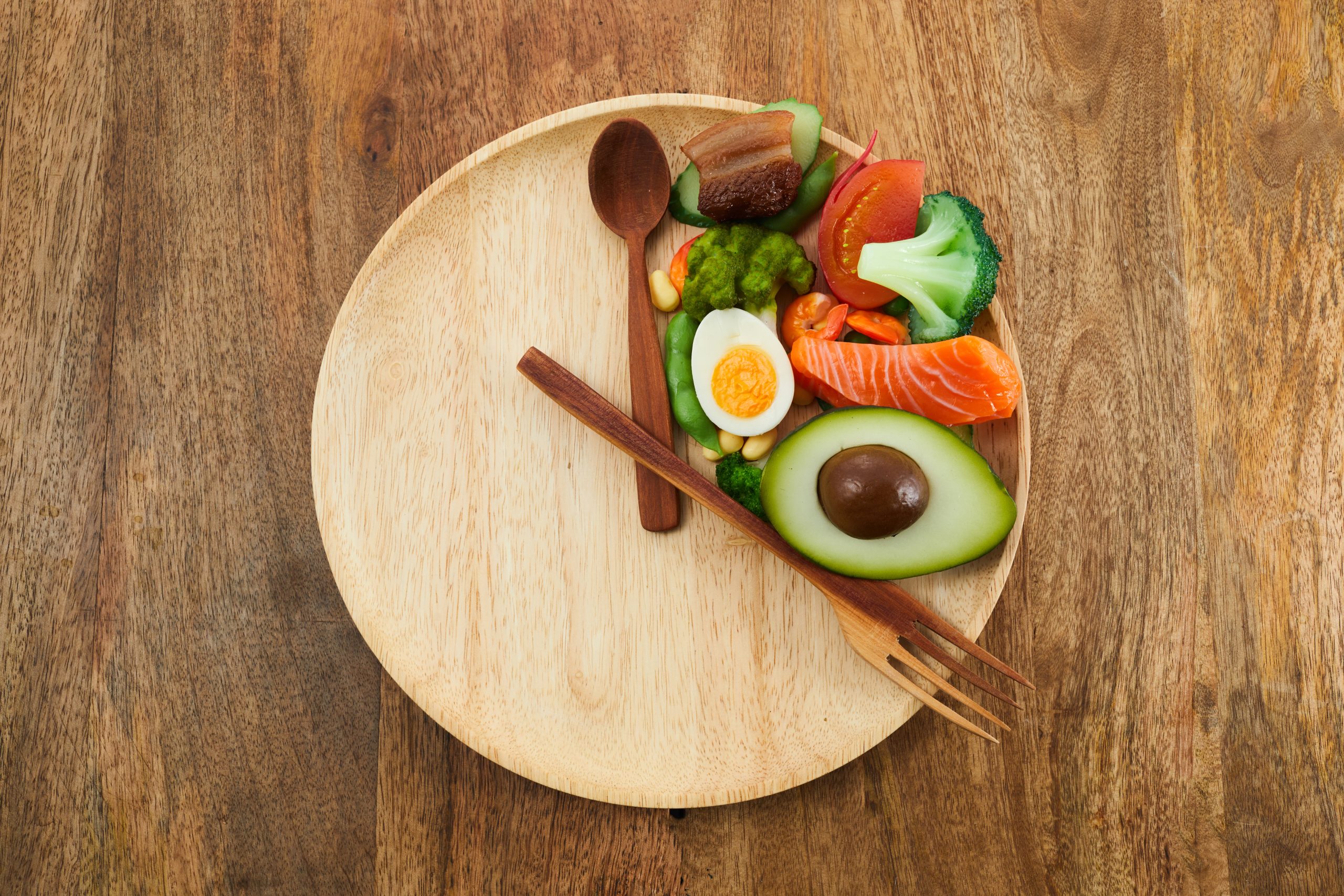
Bananas only have about 300mg of potassium, and they also have a lot of sugar. Leafy greens and other vegetables may be much better sources of potassium. But people are not getting the amount of vegetables they need. We need 7-10 cups of leafy greens (like a salad) every day. If you’re eating more dense vegetables (like broccoli), or you have a dense chopped salad, you will need less. You can also get potassium from fish, certain meats, nuts, and avocados.
Refined carbs and sugar can deplete potassium, as well as stress, and diuretics.
90% of American’s are consuming too much of the opposing mineral, which is sodium. Too much sodium and not enough potassium can create a situation where the blood pressure is going to keep rising higher and higher.
How potassium can help with hypertension:
- It acts as a diuretic
- It dilates the smooth muscle in the arteries
- It keeps the vascular system from being stiff
It may be beneficial to consume more foods high in potassium or take potassium as a supplement or in an electrolyte powder.
Another cause of hypertension is a vitamin D3 deficiency. You may want to get more vitamin D3 along with potassium.
Potassium may also help reduce the risk of stroke because it directly affects the consistency of the blood. It reduces clotting.
Potassium may help reduce hypertension, as well as reduce the risk of stroke.
Dr. Eric Berg DC Bio:
Dr. Berg, age 58, is a chiropractor who specializes in Healthy Ketosis & Intermittent Fasting. He is the author of the best-selling book The Healthy Keto Plan, and is the Director of Dr. Berg’s Nutritionals. He no longer practices, but focuses on health education through social media.
Follow us on FACEBOOK: fb.me/DrEricBerg
ABOUT DR. BERG: https://bit.ly/3lVw1IF
Disclaimer:
Dr. Eric Berg received his Doctor of Chiropractic degree from Palmer College of Chiropractic in 1988. His use of “doctor” or “Dr.” in relation to himself solely refers to that degree. Dr. Berg is a licensed chiropractor in Virginia, California, and Louisiana, but he no longer practices chiropractic in any state and does not see patients so he can focus on educating people as a full time activity, yet he maintains an active license. This video is for general informational purposes only. It should not be used to self-diagnose and it is not a substitute for a medical exam, cure, treatment, diagnosis, and prescription or recommendation. It does not create a doctor-patient relationship between Dr. Berg and you. You should not make any change in your health regimen or diet before first consulting a physician and obtaining a medical exam, diagnosis, and recommendation. Always seek the advice of a physician or other qualified health provider with any questions you may have regarding a medical condition.
Thanks for watching! If you have hypertension, you may want to consider adding some more potassium to your diet.
Transcript Summary
How potassium relates to high blood pressure
Dr. Berg opens by noting that he has mentioned potassium and blood pressure in several videos, and responds to a viewer who asked why potassium helps lower blood pressure. He explains that only about 2 percent of Americans get enough potassium, meaning 98 percent are deficient, and that the recommended daily amount is roughly 4700 milligrams. He clarifies that he is talking specifically about Americans in this context. He stresses that this shortfall is a big deal for blood pressure control.
Why bananas are not the best potassium solution
He then addresses a common misconception about bananas as a potassium source. Bananas contain about 300 milligrams of potassium each, so a person would need to eat many bananas to reach 4700 milligrams, and that much banana brings a lot of sugar. Because of this sugar load, he does not recommend relying on bananas to meet potassium needs. He sets up the case for better food sources.
Better sources of dietary potassium
Dr. Berg explains that potassium is best obtained from leafy greens and certain other vegetables. He notes that the average American eats only about one and a half cups of vegetables per day, while he recommends about 7 to 10 cups of leafy greens daily, such as salad greens. He clarifies that when he says 7 to 10 cups, he means loose lettuce rather than dense vegetables like broccoli or cauliflower. For denser vegetables or a tightly chopped salad, he suggests that about four cups might be enough because the density means more vegetable content per cup. He adds that potassium can also be obtained from fish, some meats, nuts, and especially avocados, which he considers a particularly good source.
How diet, stress, and medications deplete potassium
Dr. Berg points out that most people do not get enough potassium from their diets to begin with, and several common factors deplete potassium further. Consuming refined carbohydrates and sugar, including grain-based carbs, will deplete potassium stores. Being under stress also depletes potassium. Taking diuretic medications, which are often prescribed for high blood pressure, similarly causes the body to lose more potassium. He emphasizes that many different aspects of modern life conspire to keep potassium levels too low.
The sodium–potassium imbalance in Americans
Next, he contrasts potassium intake with sodium intake. Dr. Berg states that about 90 percent of Americans consume too much sodium, the mineral that opposes potassium in many physiological processes. He describes the typical American pattern as very heavy on sodium and very light on potassium. This imbalance creates a situation where blood pressure tends to climb higher and higher over time. He implies that correcting this ratio is a key lever for improving hypertension.
Mechanisms: how potassium may lower blood pressure
Dr. Berg explains several mechanisms by which potassium may help lower blood pressure. First, potassium acts as a diuretic, helping the body get rid of excess fluid. Second, potassium causes the smooth muscle in artery walls to dilate, making it a vasodilator that widens blood vessels and lowers pressure. Third, potassium helps keep the vascular system from becoming stiff, and arterial stiffness alone can cause high blood pressure. He suggests either increasing foods high in potassium or using potassium supplements or electrolyte powders, with the expectation that blood pressure will often start to come down when potassium status is improved.
Vitamin D3 as another factor in hypertension
Dr. Berg then identifies low vitamin D3 as another cause of hypertension. He recommends taking vitamin D3 or obtaining it from appropriate sources along with potassium. According to his explanation, combining sufficient vitamin D3 intake with adequate potassium should help bring blood pressure down in many cases. He presents this as a complementary strategy, not a replacement for medical care.
Potassium and stroke risk
Finally, he discusses potassium in relation to stroke. Potassium, he says, lowers the risk of stroke because it directly affects the consistency of blood. By reducing the tendency of blood to clot, potassium may lower the risk of forming dangerous blood clots that can trigger a stroke. He concludes that potassium can “kill two birds with one stone” by both helping reduce hypertension and decreasing stroke risk, even though he acknowledges that this phrase is not the best analogy. The video then transitions into a promotional segment for a keto recipe, emphasizing that a keto lifestyle can be enjoyable, immune-supportive, and simple, before encouraging viewers to watch and try the recipe themselves.
You might also enjoy these topics…
Here are some existing posts on VeryHealthyBody.com that are on different (but still relevant) topics your readers may enjoy:
- https://veryhealthybody.com/the-best-ozempic-alternative-without-the-side-effects/
- https://veryhealthybody.com/how-to-reverse-insulin-resistance-through-diet-exercise-and-sleep/
- Nutrition topic archive: https://veryhealthybody.com/topics/nutrition/


